




Heading
Heading
Heading
Ropar, Punjab | 5 January 2026 — What unfolds when time-tested Indian Knowledge Systems rooted in ancient Yogic Sciences engage in a meaningful dialogue with modern science and technology? At the Indian Institute of Technology, Ropar, this question has moved beyond discourse into institution-building.
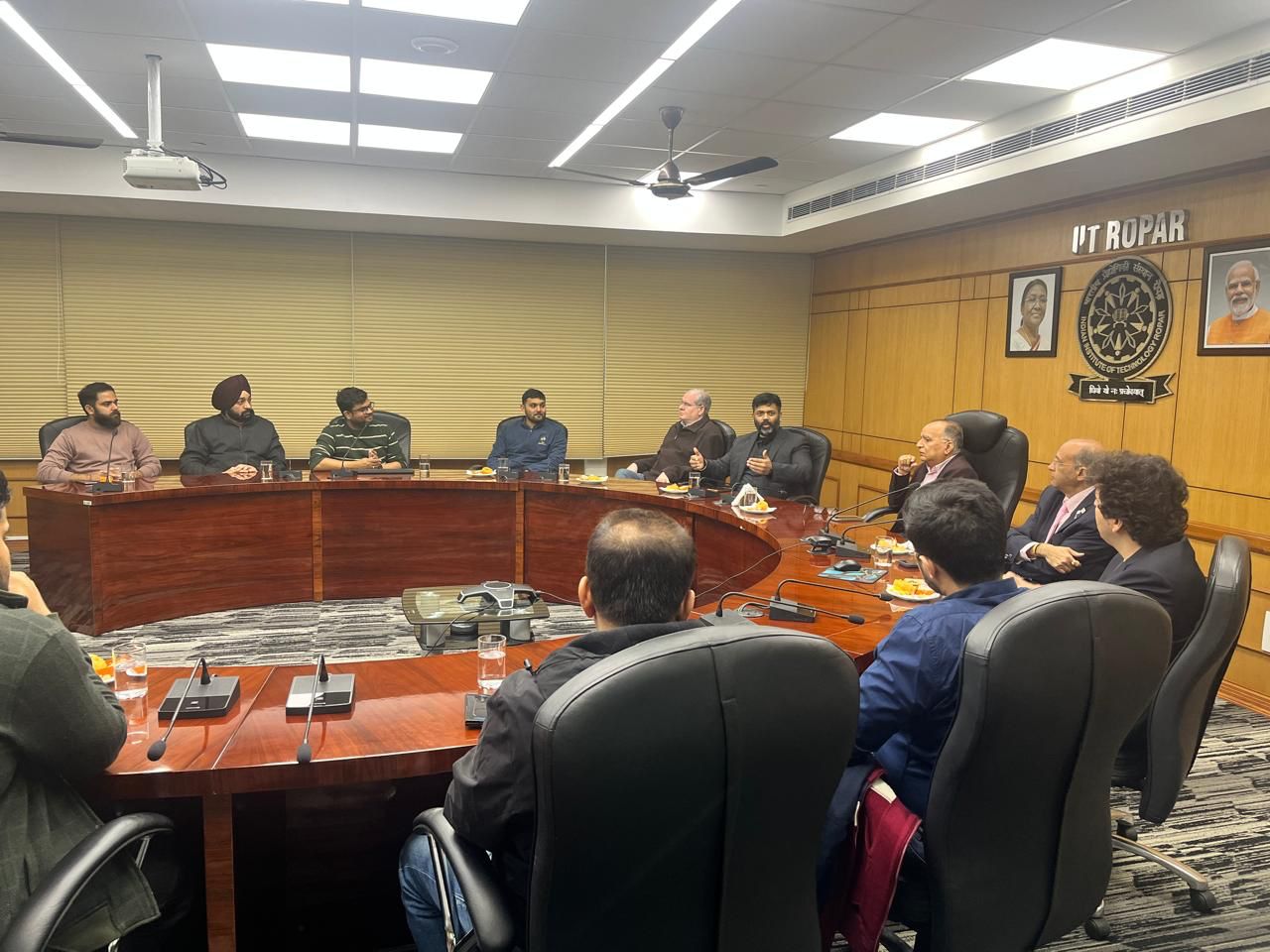
IIT Ropar has taken a landmark step in higher education by hosting a first-of-its-kind series of initiatives led by Dr. Ishan Avdhoot Shivanand, Adjunct Faculty, Centre of Excellence for Holistic Wellbeing, IIT Ropar.
These initiatives formally integrate Indian Knowledge Systems (IKS)—refined over centuries through sustained practice and lived experience—with contemporary research methods, clinical inquiry, and technological infrastructure to advance education, research, and student wellbeing.
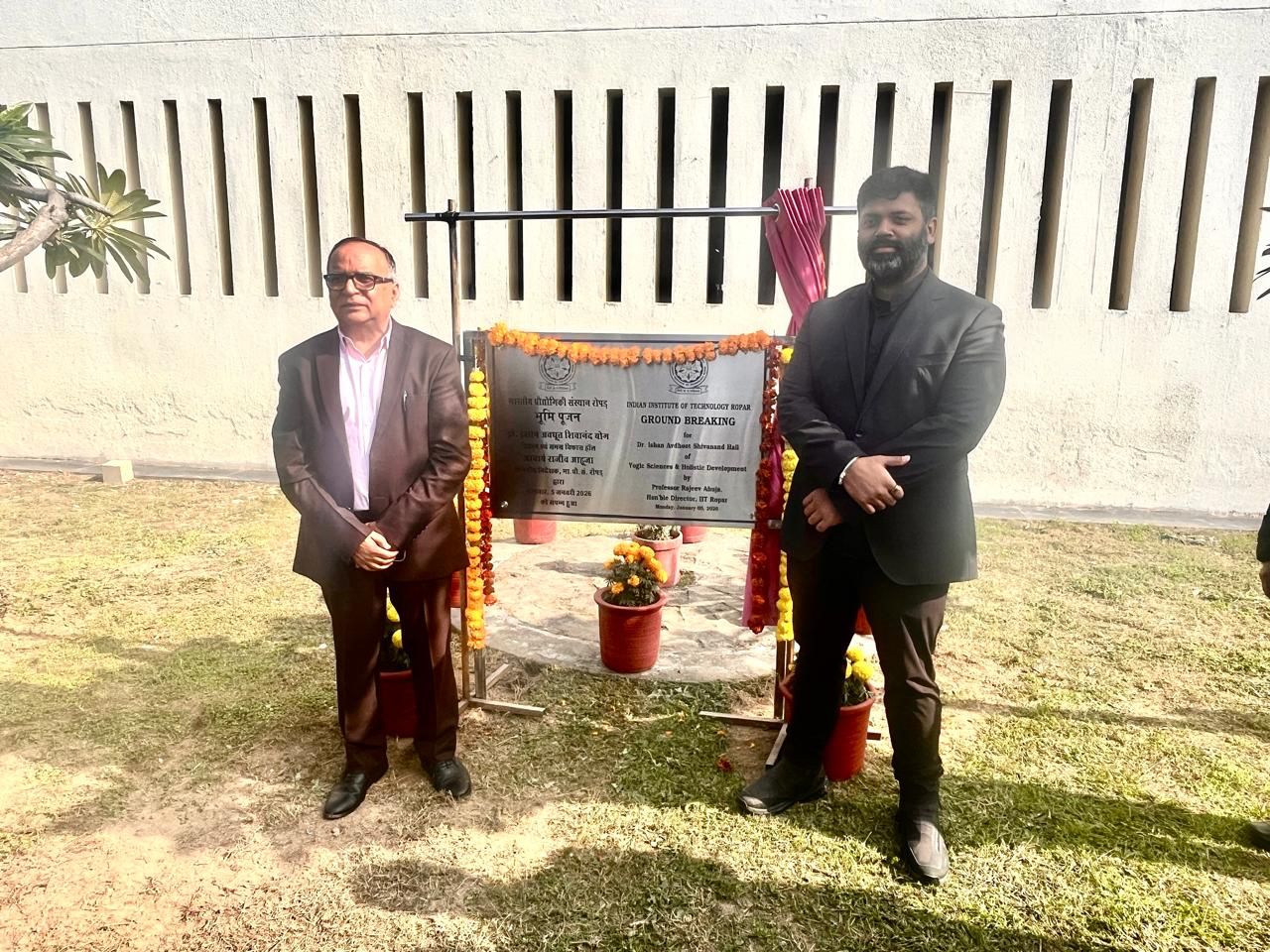
Inauguration of the Dr. Ishan Avdhoot Shivanand Hall of Yogic Sciences & Holistic Development
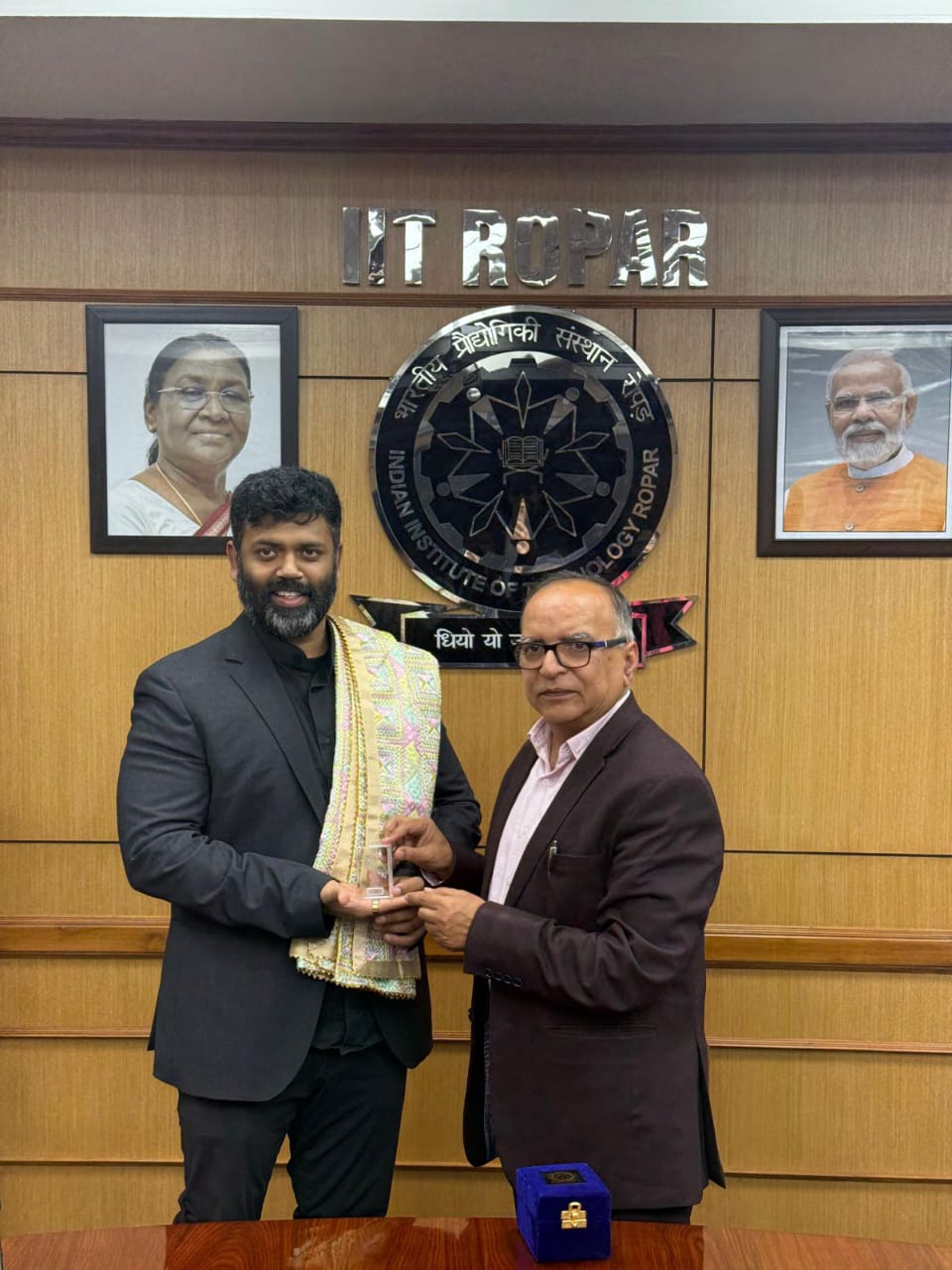
Presided over by Prof. Rajeev Ahuja, Hon’ble Director, IIT Ropar, the inauguration marks the establishment of a dedicated hub for interdisciplinary research and innovation in mental health and holistic wellbeing.
The Hall is envisioned as a space which :
• Supports studies on classical yogic and contemplative sciences through systematic research and long-term observation
• Brings traditional experiential knowledge into conversation with modern scientific frameworks and analytical tools
• Develops affordable, scalable, and evidence-informed solutions for mental health and human wellbeing
• Provides an open, experiential environment for students and staff to engage in breathwork, meditation, and inner development practices grounded in yogic traditions
Launch of the Dr. Ishan Avdhoot Shivanand Scholarship
As a sustained investment in inclusion and interdisciplinary excellence, the scholarship will support 10 meritorious but underprivileged undergraduate students each year to pursue studies and research in mental health, yogic and cognitive sciences, holistic wellbeing, and integrative innovation.
Together, these initiatives reflect a mature academic approach—one that respects the depth and continuity of India’s living knowledge traditions while leveraging the strengths of modern science and technology for the well-being of individuals and society.
Looking forward to the impact of this important step in shaping a more integrated, humane, and future-ready model of education.
Special thanks to Prof. Rajeev Ahuja, Director, IIT Ropar, and Atharva Poundarik, whose exceptional visionary leadership is making improved access to quality education and mental healthcare possible.
Announcements
.jpeg)
.jpeg)
.jpeg)